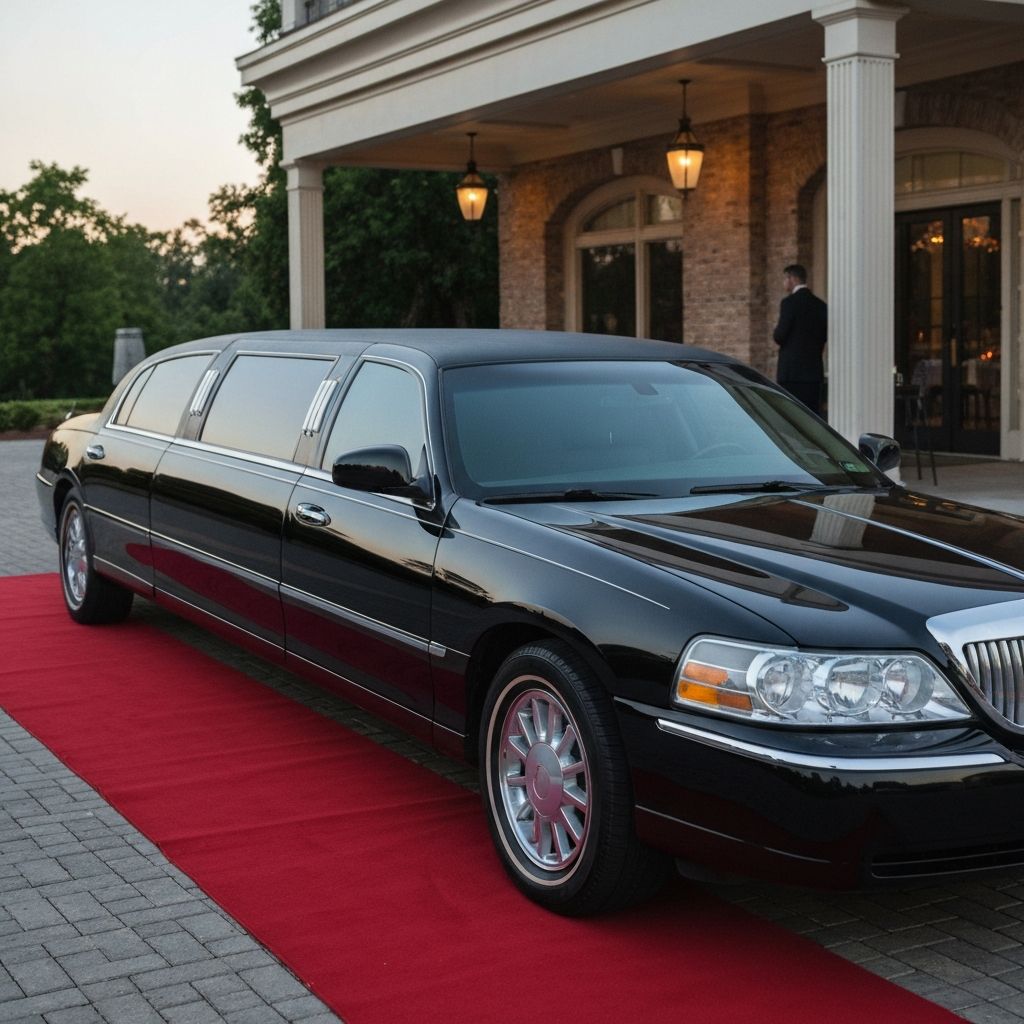
The short answer: plan the day around people, not just destinations
For a fall family visit or multi-stop day, start with four facts: who is travelling, what each person is bringing, how long each stop really takes, and which destinations are fixed. Then decide whether you need separate point-to-point rides or one vehicle reserved around the itinerary.
A chauffeured vehicle is most useful when the group needs continuity between stops. That may include an airport arrival followed by a hotel, a family lunch, a medical or business appointment, a shopping stop, and an evening return. It can also suit a regional day trip from Toronto to Oakville, Hamilton, Niagara Falls, or another Ontario destination when the group would rather avoid repeated parking, navigation, and vehicle changes.
- List every passenger, including children and older adults.
- Separate fixed appointments from flexible sightseeing or meal stops.
- Count luggage, mobility equipment, strollers, golf bags, and purchases—not only people.
1. Build the itinerary in time blocks
A common planning mistake is to estimate only driving time. A realistic day includes the time required for people to gather, load bags, locate an entrance, use washrooms, check in, order food, collect purchases, and return to the vehicle. Families often need more transition time than a map suggests, especially when children or older relatives are travelling.
Create a simple timeline with five columns: time, location, activity, people required, and flexibility. Mark each item as fixed, preferred, or optional. This makes it easier to protect the important parts of the day without pretending every stop will happen exactly on schedule.
2. Choose point-to-point or a vehicle that stays with you
Point-to-point transportation can be sensible when the itinerary contains only one or two clearly defined transfers. For example, an airport-to-hotel ride followed by a separate return trip may be simpler than retaining a vehicle throughout the day. It may also suit travellers whose schedule is already fixed and who do not need flexibility between stops.
A vehicle that remains connected to the itinerary is more useful when the group has several stops, changing plans, luggage that must remain secure in the vehicle, or passengers who would find repeated loading and unloading tiring. It can reduce the number of separate bookings and make the day easier for the person coordinating the family.
3. Match the vehicle to passengers, luggage, and the day
Passenger count is only the first vehicle question. Two adults with large suitcases may need a different arrangement from six adults travelling with winter coats, carry-on bags, a stroller, and shopping. A group can technically fit into seats while still being uncomfortable because luggage occupies footwells or limits access to the rear cargo area.
Toronto A1 Limo’s public fleet pages list Cadillac Escalade, Chevrolet Suburban, GMC Yukon XL, Mercedes Sprinter, stretch limousine, and party-bus options. These vehicles serve different planning situations, but the appropriate choice depends on the exact date, route, passenger group, luggage, and confirmation of availability. Review our fleet information, then include a complete packing description with your booking request.
4. Plan airport, hotel, and home pickups precisely
Airport pickups need more detail than a street address. Include the airport, terminal if known, airline or flight information when relevant, passenger name, number of bags, and a reachable mobile number. For an arrival, allow time for deplaning, border or customs procedures where applicable, baggage collection, and movement to the agreed meeting point. For a departure, work backwards from the required airport arrival time rather than selecting a pickup time only because it feels convenient.
The Government of Canada advises travellers to verify current travel documents and destination requirements because rules can change. Its guidance also explains that children travelling internationally without both parents or guardians may need supporting permission documents. These are traveller responsibilities and should be checked through official government guidance before the trip. (canada.ca)
5. Account for fall weather, daylight, and road restrictions
Fall planning requires flexibility. Ontario Parks recommends checking weather, current park conditions, alerts, facilities, and changing seasonal conditions. It also cautions that earlier sunsets can affect outdoor activities and that some rental facilities close after Labour Day. If your family day includes hiking, paddling, a lookout, or a regional park, check the official destination information shortly before departure rather than relying on an old itinerary. (blog.ontarioparks.ca)
The City of Toronto provides a road restrictions map and list covering planned and unplanned restrictions. Check it before a downtown itinerary, especially when your route includes major venues, construction areas, parades, festivals, or multiple central stops. The map is useful for planning, but conditions can still change after you check it. (toronto.ca)
6. Use this simple itinerary calculation
A useful planning calculation is: total day length = fixed activities + realistic driving allowance + loading and unloading + walking or access time + meal time + buffer.
For example, suppose a family has a 45-minute appointment, a 75-minute lunch, a 90-minute museum visit, 2 hours of estimated movement between stops, 30 minutes of total loading and unloading, and a 45-minute contingency buffer. The planned day is 6 hours and 45 minutes before adding any extra sightseeing: 45 + 75 + 90 + 120 + 30 + 45 = 405 minutes.
People, possessions, priorities, and pressure points
Evaluate the group, peak luggage, fixed commitments, and route risks before selecting a booking structure or vehicle.
Multi-stop day length calculation
Total day length = fixed activities + driving allowance + loading and unloading + walking or access time + meals + contingency buffer.
Complete booking request checklist
Send the date, contact, addresses, stop sequence, passenger count, luggage, special equipment, fixed times, preferred vehicle, booking structure, alternatives, and return time.
Ready to discuss your fall family itinerary? Send Toronto A1 Limo the date, passenger count, luggage details, complete stop sequence, and preferred timing through /book, or contact us at 647-386-3868.