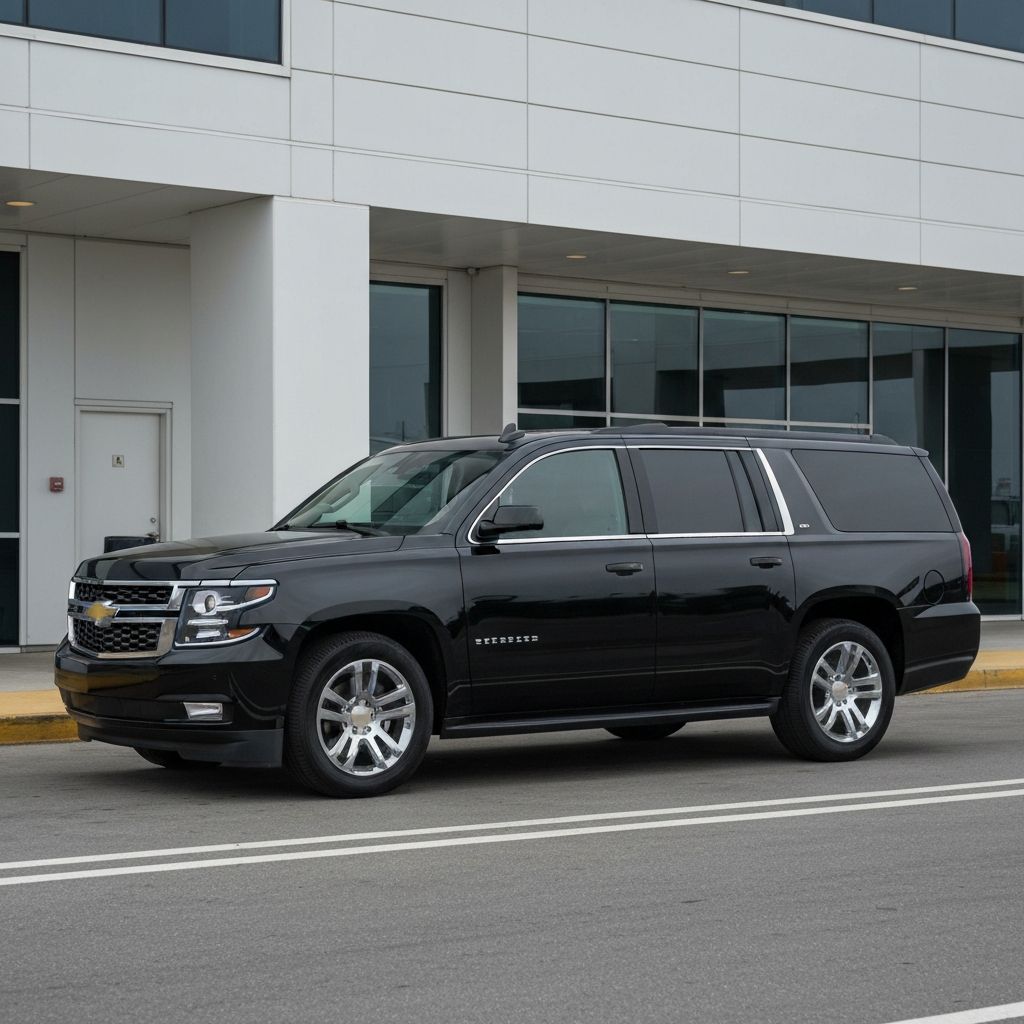
When an Ontario chauffeur service makes sense
A chauffeur service is most useful when your Ontario itinerary involves several meaningful stops, shared luggage, fixed appointments, unfamiliar roads, or a group that would rather spend the day together than assign one person to drive. It can connect an airport arrival, hotel check-in, park visit, restaurant reservation, winery stop, golf booking, family visit, and return journey within one coordinated transportation plan.
The main benefit is not simply having someone else behind the wheel. It is reducing the number of decisions your group must manage during the day. Someone still needs to choose the route, confirm the timing, watch the weather, and communicate with venues, but a reserved vehicle can make those responsibilities easier to organize than a series of last-minute rides.
- Consider a chauffeur when several passengers need to travel together throughout the day.
- Include luggage, golf bags, formalwear, shopping, camera equipment, or outdoor gear in the decision.
- Think about the return journey before planning the first pickup.
Build the route around the season, not just the map
Fall travel in Ontario is not governed by one province-wide peak date. Destination Ontario notes that colour change generally begins earlier in northern areas and reaches areas such as Algonquin later in the season. Its road-trip guidance recommends planning from north to south when the purpose is to follow changing foliage. (destinationontario.com)
That advice matters when you are combining Toronto with destinations farther north, east, or west. A route that looks efficient on a map may not align with the best viewing conditions, accommodation availability, daylight, or the operating schedule of a park or attraction. Treat the itinerary as a sequence of regional conditions rather than a simple list of addresses.
Use pickup windows instead of optimistic arrival times
A pickup window is the period when passengers should be ready at a defined location. A travel estimate is an expectation about how long the vehicle may take to reach the next stop. These are different planning tools, especially in the Greater Toronto Area and on routes where construction, traffic, weather, event activity, or rural road conditions can affect the journey.
Build your itinerary around fixed commitments first. Examples include a flight departure, hotel check-in, wedding photography, golf tee time, restaurant reservation, ferry departure, or venue opening. Add flexible activities around those commitments rather than assuming every stop will take exactly the time shown on a map.
Choose the vehicle around people, luggage, and movement
Vehicle selection should begin with the complete itinerary, not passenger count alone. A group may fit by seating capacity but still be uncomfortable once carry-on bags, coats, camera bags, golf clubs, purchases, mobility equipment, or formal clothing are included. The number of times passengers must enter and exit also matters.
An airport transfer with several bags may require a different vehicle conversation from a dinner transfer with no luggage. A golf itinerary introduces equipment and potentially wet or muddy items. A wedding itinerary may involve formalwear, photography equipment, gifts, and multiple pickup locations. A family itinerary may need room for child-related items and a slower loading process.
Plan for autumn weather and changing daylight
Ontario fall weather can move quickly from mild sunshine to rain, fog, cold evenings, or early-season snow. Environment and Climate Change Canada provides official forecasts and alerts by location, so check the forecast for each major area near departure rather than relying on a seasonal average. (weather.gc.ca)
The Government of Ontario’s driving guidance advises motorists to adjust to rain, fog, snow, reduced visibility, and changing road conditions. For transportation planning, the practical implication is straightforward: do not build a rural itinerary with no flexibility between an outdoor stop and a fixed appointment. Weather can change walking times, loading times, road conditions, and the willingness of passengers to remain outside.
Compare one itinerary, separate rides, and a rental car
There is no universally correct transportation model for an Ontario fall trip. The best option depends on how often the group moves, whether the vehicle needs to remain available, how much luggage is carried, and whether anyone is comfortable driving.
One reserved chauffeur itinerary is usually easiest when the group follows a defined route and returns to a hotel, airport, residence, or home base. It can also be useful when the group wants to travel together after dinner or when the itinerary includes several stops that are difficult to coordinate with separate rides.
Use the Four Ps framework before you request a quote
To make a fall itinerary easier to explain, use the Four Ps: People, Places, Pace, and Protection. This is an original planning framework from Toronto A1 Limo for turning a broad travel idea into a transportation brief.
People means the passenger count, ages where relevant to the itinerary, luggage, equipment, and the person responsible for communication. Places means every pickup, drop-off, hotel, attraction, park entrance, restaurant, and alternate location. Pace means the fixed appointments, flexible stops, expected dwell time, and return window. Protection means weather checks, daylight, access restrictions, parking assumptions, and a backup activity.
The Four Ps of Fall Transportation Planning
People, Places, Pace, and Protection: define the group and luggage; confirm exact locations; separate fixed times from flexible ones; and plan for weather, daylight, access, and delay risks.
Transportation Burden Test
Transportation burden = number of movements + parking effort + luggage effort + navigation responsibility + weather exposure. Use the screen to compare a chauffeur itinerary, separate rides, a rental car, or a mixed approach.
Prepare your addresses, passenger and luggage details, timing windows, and preferred vehicle category, then book your Toronto A1 Limo itinerary or call 647-386-3868 to discuss the route.