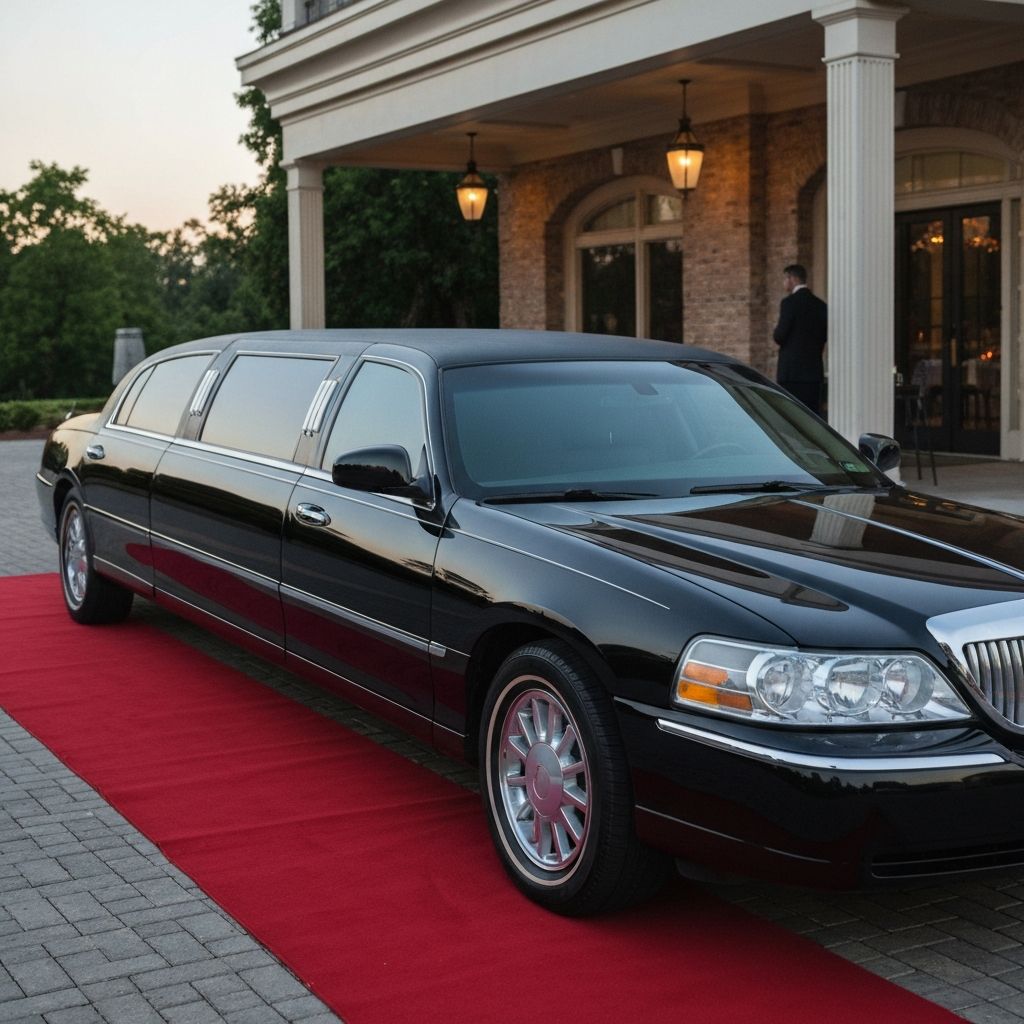
The short answer: choose a chauffeured ride when coordination matters
A chauffeured ride is a good fit when a business trip has more moving parts than a simple journey between two familiar addresses. Airport arrivals, hotel changes, client meetings, site visits, several passengers, and same-day returns all introduce details that someone must coordinate. A single transportation booking can put the pickup plan, passenger details, luggage needs, stops, and contact information in one place.
For one traveller making a short local trip with no luggage, no schedule pressure, and no unfamiliar locations, public transit, a taxi, or an app-based ride may be entirely practical. The useful question is not whether a chauffeured vehicle feels more formal. It is whether a planned vehicle reduces avoidable coordination for this specific itinerary.
- A strong fit includes airport-to-hotel-to-meeting schedules, multiple passengers, substantial luggage, several stops, visiting executives, or unfamiliar Toronto routes.
- A weaker fit includes a short, flexible local journey for one person with no luggage and no time-sensitive handoff.
- Confirm the vehicle, pickup instructions, route structure, timing, price, and availability for the individual booking.
Use five questions to assess the itinerary
First, assess schedule complexity. A traveller who must arrive at Pearson, go to a hotel, attend two meetings, and return to the airport has a transportation sequence rather than a single transfer. A chauffeured booking can be useful because the organizer can provide the full sequence in advance instead of arranging each movement separately.
Second, consider the cost of delay or confusion. No transportation option can guarantee an arrival time because traffic, weather, airport processing, road work, and meeting overruns can change the day. However, a confirmed plan gives the traveller clear instructions for pickup points, luggage, contacts, and itinerary changes.
Third, consider privacy and work needs. If passengers need a quieter setting to prepare for a meeting, discuss confidential matters appropriately, or travel together without splitting into separate vehicles, a private chauffeured ride may be a practical choice. Fourth, assess luggage and equipment. Samples, presentation materials, trade-show items, and several suitcases can change the vehicle requirement. Finally, consider local familiarity: visitors may value having a confirmed pickup and destination plan rather than navigating an unfamiliar city after a flight.
- How many stops are required, and can their order change during the day?
- Will passengers travel together, and do they have luggage or business equipment?
- Is a missed handoff likely to affect a client meeting, hotel check-in, flight, or event registration?
- Does the traveller need a confirmed pickup process rather than an on-demand ride request?
Airport pickups: plan the handoff, not just the flight
At Toronto Pearson, the pickup process should be part of the booking brief, not an afterthought. Pearson distinguishes among curbside loading, pre-arranged transportation, taxis, limousines, rideshare, and other ground transportation options. Its pre-arranged service guidance directs passengers to designated pickup areas at Terminal 1 Door A and Terminal 3 Door A for pre-arranged taxis and limousines, and advises passengers to contact their selected provider directly when arranging service.
For business travel, provide the airline, flight number, passenger mobile number, destination address, anticipated luggage, and the name of the organizer. If the arrival terminal is known, include it, but make the post-luggage pickup instruction clear as well. “Meet outside” is not sufficiently specific for a busy airport; the traveller should know which area to use and whom to contact if flight or baggage timing changes.
For departures, build a realistic buffer for the drive, airport check-in, security, and the airline’s own timing requirements. The chauffeur can follow the confirmed ground itinerary, but airlines and airport authorities determine flight, check-in, and security processes.
| Airport booking detail | Why it matters |
|---|---|
| Flight number and airline | Helps align the arrival plan with the traveller’s itinerary. |
| Passenger mobile number | Provides a direct contact method if pickup timing changes. |
| Terminal and post-luggage instructions | Makes the handoff more precise than a general curbside instruction. |
| Luggage and equipment count | Supports a vehicle recommendation based on practical capacity. |
Vehicle selection: match capacity to the workday
Choose the vehicle based on passenger count, luggage, access needs, and the shape of the workday. A luxury SUV may suit an individual executive or a small team with moderate luggage. A Sprinter may be more appropriate for a larger group travelling together or for a shared itinerary involving several locations. A stretch limousine or party bus is generally more closely associated with celebratory travel, so it is not automatically the best option for a conventional meeting day.
There is no universal best vehicle for corporate limo Toronto requests. A vehicle that is comfortable for four passengers may not work well once luggage, presentation cases, or airport pickup requirements are included. Conversely, booking a vehicle much larger than the itinerary requires can add unnecessary cost. We recommend sharing the full passenger count, luggage description, addresses, stop sequence, and desired timing before we confirm a vehicle recommendation.
For recurring travel, organizers can also use our corporate account information to discuss how they prefer to submit and manage business transportation requests. Each service request still requires confirmation of the applicable vehicle and schedule.
Compare total coordination burden, not just the quoted fare
The first quoted fare is only one part of the decision. A lower-priced option can become less convenient when the traveller must arrange multiple rides, drive and park, carry equipment between transfers, or manage an uncertain airport handoff. Conversely, a chauffeured ride may not add enough value for a very simple local journey.
Use the worksheet below to compare realistic alternatives. It is not a pricing formula and does not predict delays. It is a planning tool that helps an organizer identify where time, effort, and business attention are being spent. Estimate the items consistently for every option, then decide whether the added coordination reduction is worth the difference.
- Include parking, tolls, or separate ride bookings where they apply.
- Consider whether the traveller would need to drive, navigate, or coordinate several passengers.
- Separate essential requirements, such as sufficient luggage capacity, from optional preferences.
| Comparison item | Question to ask |
|---|---|
| Transportation price | What is the confirmed or estimated fare for the required vehicle and itinerary? |
| Parking and tolls | Would driving create additional out-of-pocket costs? |
| Booking effort | How many separate reservations or handoffs must be managed? |
| Transfer and waiting effort | Will passengers need to change vehicles, wait in separate locations, or carry luggage between stops? |
| Business time affected | Would driving or navigation take attention away from work, meeting preparation, or passenger coordination? |
Transportation does not replace travel-document planning
Ground transportation is one part of a business trip, not a substitute for travel eligibility or documentation. Government of Canada guidance advises people travelling to Canada for meetings, events, and conferences to review whether they qualify as business visitors, whether they require a visa or electronic travel authorization, and which documents they need to bring. Depending on the circumstances, supporting business information and host contact details may be relevant.
Review immigration and entry requirements separately from the transportation booking, especially for international visitors. A confirmed car does not replace a passport, visa, eTA, invitation, employer documentation, or event documentation. Give the traveller the host’s full address and a reachable contact number, and ensure practical itinerary details are consistent with the business purpose of the visit where appropriate.
For hotel-based itineraries, include the hotel address, meeting venue, and any planned hotel-to-meeting movements in the same transportation brief. Our hotel transportation options can support these handoffs when the itinerary and vehicle are confirmed.
Send one complete booking brief
A complete request is easier to review than a series of partial messages. We can review Toronto, GTA, and Ontario itineraries for airport transfers, corporate travel, hotel movements, private-jet transportation, and multi-stop business requests. We offer online booking and 24/7 service availability, while the vehicle, schedule, route structure, price, and availability for a particular request remain subject to confirmation.
Before requesting a quote, prepare one business trip brief with the date, passenger count, pickup and destination addresses, flight details where relevant, luggage, stop sequence, desired timing, and a reachable contact number. This gives us the information needed to assess whether a point-to-point transfer or a more flexible multi-stop structure is the better fit.
If the itinerary includes several executives, a client pickup, or a changeable meeting schedule, state that clearly at the outset. The more complete the brief, the more accurately we can review the transportation needs.
- Date and requested pickup time.
- Passenger count, luggage, equipment, and accessibility considerations.
- Pickup address, destination address, and every known stop.
- Flight number, airline, and airport pickup instructions where applicable.
- Traveller and organizer contact numbers.
- Whether the itinerary is a one-way transfer, return trip, or multi-stop request.
Business trip fit test
Request a chauffeured quote when at least two complexity factors apply: Pearson pickup, several passengers, substantial luggage, multiple stops, unfamiliar routes, a client or executive pickup, a need for private work time, or a high cost of coordination.
Total trip burden worksheet
Total trip burden = transportation price + parking or tolls + separate booking time + waiting or transfer effort + business time affected by driving or navigating.
Ready to compare transportation options for a business itinerary? Send your passenger, luggage, flight, stop, and timing details through our booking page at /book, or call Toronto A1 Limo at 647-386-3868.