The short answer: choose for luggage and coordination, not just seats
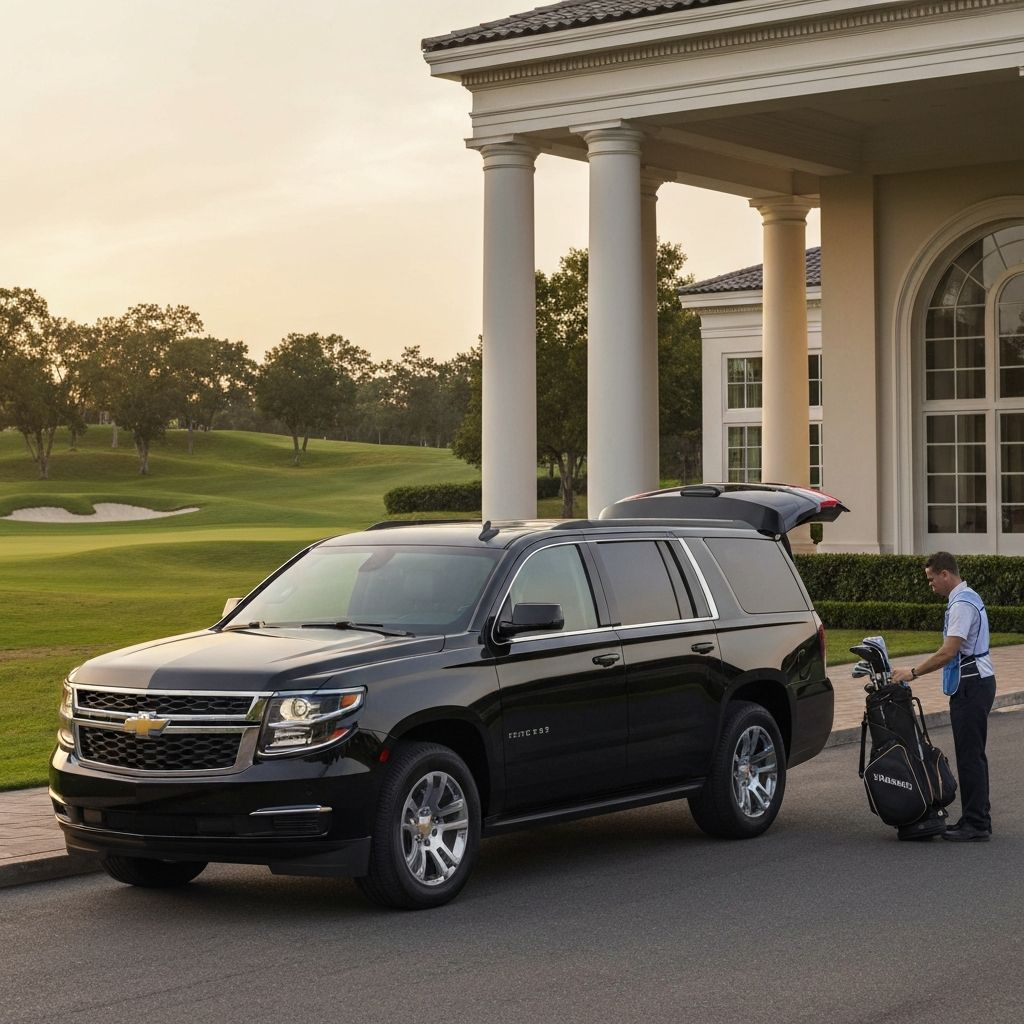
For airport group transportation in Toronto, a luxury SUV is often the practical starting point for a small family or group with manageable luggage. A Mercedes Sprinter is usually worth considering when several travellers are sharing a transfer, luggage is bulky, or the itinerary includes multiple stops. A stretch limousine can suit a special arrival or departure when presentation and privacy matter more than loading efficiency. A party-bus-style vehicle may make sense for a larger celebration, but it can be unnecessary for a straightforward airport transfer.
The correct decision depends on five questions: how many people are travelling, how many bags are coming, whether everyone arrives together, how many stops are planned, and whether the same vehicle will be used for the return trip. Toronto A1 Limo lists luxury SUVs, a Mercedes Sprinter, stretch limousine, and party-bus options, but vehicle assignment, pricing, route, timing, and availability must be confirmed for the specific booking. Our airport limousine service team can review the itinerary rather than relying on a nominal passenger number.
- Choose a luxury SUV for a smaller group with ordinary luggage and a direct route.
- Consider a Sprinter when luggage, boarding coordination, or multiple stops create extra complexity.
- Use a stretch limousine for occasion-led travel where style and privacy are central.
Start with a realistic passenger-and-luggage count
Passenger count is only the first measurement. A group of six with six small carry-on bags may have a very different vehicle requirement from a group of six travelling with checked suitcases, golf equipment, child equipment, musical instruments, or winter clothing. Luggage shape matters as much as quantity: hard-sided cases, oversized bags, and equipment cases can use space inefficiently.
Use this simple planning calculation before requesting a quote: total travel load = passengers + luggage complexity + itinerary complexity. Passengers are counted individually. Luggage complexity increases when bags are large, numerous, fragile, or difficult to stack. Itinerary complexity increases when there are separate flights, hotel stops, residential pickups, or a regional destination such as Oakville, Hamilton, Niagara Falls, or St. Catharines.
Why separate flights change the airport plan
Groups do not always arrive as one unit. One traveller may land internationally while another arrives on a domestic flight. Others may be delayed, connecting through another city, or travelling from a different terminal. Booking one pickup time based only on the earliest scheduled landing can leave part of the group waiting. Booking around the latest landing can leave the first arrivals waiting longer than expected.
Toronto Pearson’s official arrivals information directs travellers to review arrival information, baggage, customs and immigration, and airline or origin details before arriving. Pearson also provides current flight information through its arrivals resources. Use the confirmed flight numbers, airlines, terminals, and arrival dates when arranging the transfer rather than giving only an approximate landing time. (torontopearson.com)
Pearson pickup logistics: agree on the meeting point
Airport pickup is easier when the group knows exactly where to go. Toronto Pearson states that licensed taxis and limousines use designated pickup areas on the Arrivals Level rather than collecting passengers inside terminals or parking garages. Pearson identifies limousine pickup locations at Terminal 1 Door C and Terminal 3 Door E. The airport also identifies pre-arranged service desks inside each terminal at Door A. Procedures can change, so travellers should check the airport’s current instructions for their date of travel. (torontopearson.com)
For a group, the meeting point should be written into the booking notes and shared with every traveller. Include the terminal, door or designated area, the name and phone number of the group coordinator, and what to do if bags are delayed. Avoid telling travellers simply to ‘meet outside’; large airports have multiple doors, lanes, levels, and traffic restrictions.
Comparing the four choices by itinerary fit
A luxury SUV is typically the least complicated option for a small group travelling directly from Pearson to one home, hotel, or meeting location. It is also useful when the group values a discreet vehicle and expects ordinary luggage. The tradeoff is that luggage space can become the limiting factor before passenger seats do.
A Mercedes Sprinter is more suitable when the group needs to board together, keep luggage in one vehicle, or make several stops. It can simplify coordination for families staying at different hotels or business travellers attending the same programme. The tradeoff is that a larger vehicle requires more careful confirmation of curbside access, route details, and the group’s actual need.
Mobility aids, children, and special equipment
Mobility and access requirements should be discussed before the booking is accepted. Toronto Pearson states that passengers with mobility aids cannot be refused, hindered, or charged extra fees beyond standard vehicle tariffs for transporting their equipment, and that accessible vehicles capable of carrying a non-folding or non-collapsible mobility aid can be requested at the limousine stands. (torontopearson.com)
That airport information does not mean every private vehicle in a listed fleet has the same accessibility configuration. Tell us whether the aid folds, its approximate dimensions, whether the traveller can transfer into a seat, and whether a companion or support person is travelling. We will treat those details as vehicle-selection information requiring confirmation.
A booking framework for families, groups, and organisers
Use the following four-step framework when comparing options.
First, define the load: passengers, checked bags, carry-ons, equipment, and child or mobility needs. Second, define the timing: flight numbers, terminals, expected ready-to-leave time, and whether anyone has a fixed appointment. Third, define the movement: one address, several hotels, a meeting, or a regional destination. Fourth, define the return: same group, different luggage, different airport timing, or a separate departure vehicle.
The one-plan test
Use one vehicle when the group has one destination, aligned arrival timing, and one coordinated boarding plan. Consider separate vehicles when flights, destinations, or schedules do not align.
Airport group planning calculation
Total travel load = passengers + luggage complexity + itinerary complexity. Use the result to decide whether a straightforward SUV review is enough or whether a Sprinter or larger-vehicle assessment is more appropriate.
Ready to compare the right vehicle for your group? Review our fleet and request a confirmed Toronto airport transportation quote through /book, or call 647-386-3868.